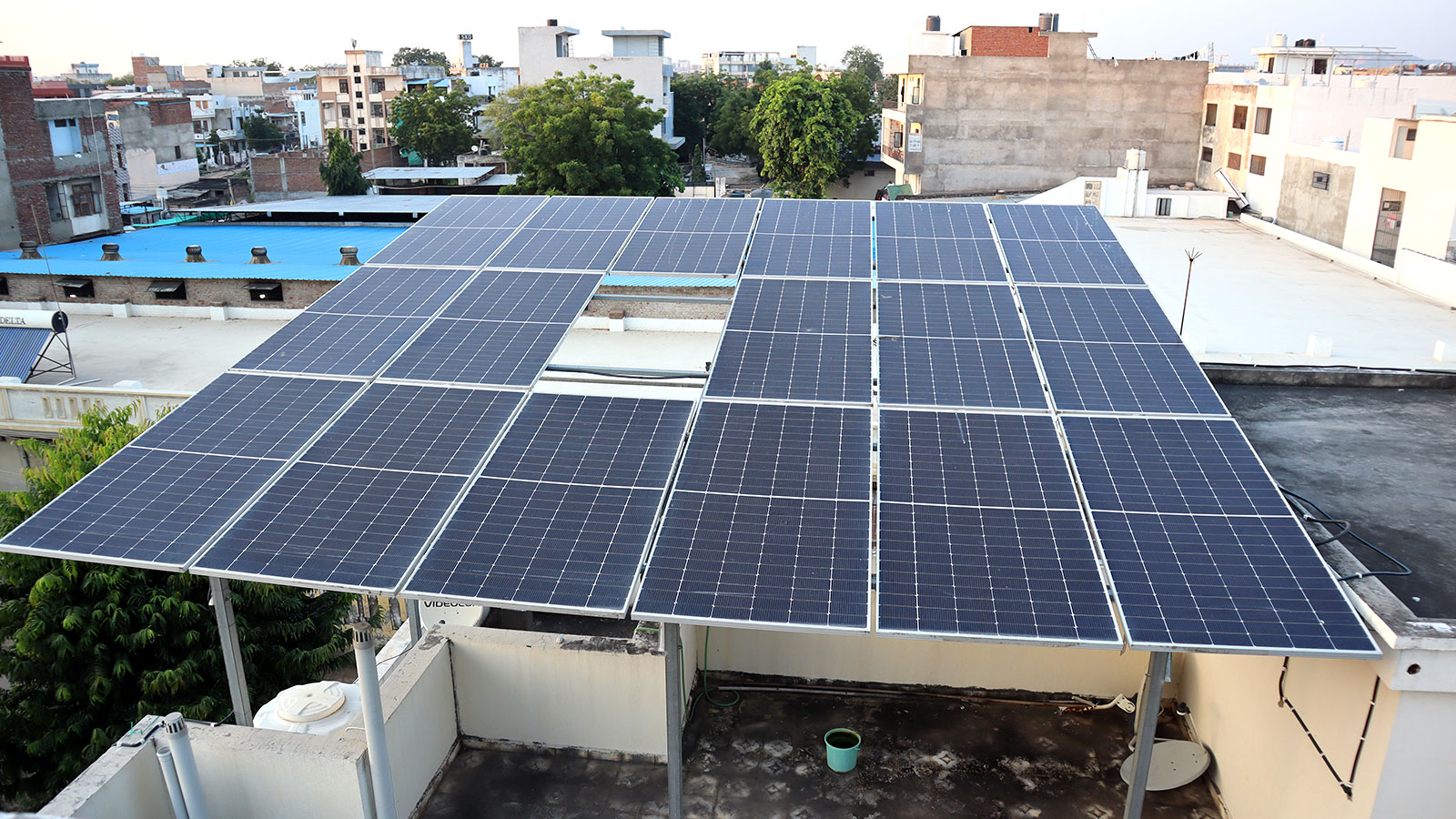
What's the 6 kW Solar System Price in India with Subsidy? Explore ROI and Steps To Apply
A 6 kW solar system is one of the most popular choices for large households, villas, apartments, small offices, and commercial establishments with moderate electricity consumption. With rising electricity prices and attractive government incentives, installing a 6 kW solar system has become a smart investment for homeowners looking to reduce their monthly electricity bills.
In 2026, the average price of a 6 kW on-grid solar system in India ranges between ₹2.7 lakh and ₹4 lakh before subsidy. Under the Government of India's rooftop solar scheme, eligible residential consumers can significantly reduce the overall installation cost through available subsidies.
6 kW Solar System Price with Subsidy
On-Grid Solar System (Before Subsidy): ₹2.7 – ₹4 Lakhs
Government Subsidy (Eligible Residential Users): Up to ₹78,000
Estimated Price After Subsidy: ₹2 – ₹3.2 Lakhs
Actual subsidy benefits and final costs may vary based on state regulations, approved vendors, and system specifications.
Daily Power Generation
A 6 kW rooftop solar system can generate approximately 24–30 units of electricity per day and around 8,500–10,500 units annually, depending on sunlight availability, location, and weather conditions.
Space Required
Installing a 6 kW solar system generally requires around 500–700 sq. ft. of shadow-free rooftop space for optimal energy generation.
Benefits of a 6 kW Solar System
- Reduce monthly electricity bills by up to 80–90%.
- Take advantage of government subsidy benefits.
- Generate clean and renewable energy.
- Low maintenance and long operational life.
- Increase property value.
- Reduce dependence on grid electricity.
Return on Investment (ROI)
A 6 kW solar system typically offers a payback period of 3–5 years, depending on electricity consumption and local power tariffs. Since solar panels can last more than 25 years, homeowners can enjoy decades of savings after recovering the initial investment.
Steps to Apply for Solar Subsidy
Step 1: Assess Your Energy Requirement
Evaluate your monthly electricity consumption and determine whether a 6 kW system is suitable for your needs.
Step 2: Choose an Approved Solar Vendor
Select a government-approved solar installation company to ensure subsidy eligibility and quality installation.
Step 3: Submit Application
Apply through the official rooftop solar portal and provide the required documents and electricity connection details.
Step 4: Installation and Inspection
After approval, the solar system is installed and inspected by the concerned electricity distribution company.
Step 5: Net Metering Approval
A net meter is installed to allow export of excess electricity to the grid.
Step 6: Receive Subsidy Benefit
Once the installation is verified and approved, the subsidy amount is credited as per the applicable scheme guidelines.
Conclusion
A 6 kW solar system with subsidy is an excellent investment for homeowners seeking lower electricity bills and long-term energy independence. With attractive government incentives, quick ROI, and reliable power generation, it provides an affordable and sustainable solution for residential solar adoption in India.